What is dehydration?
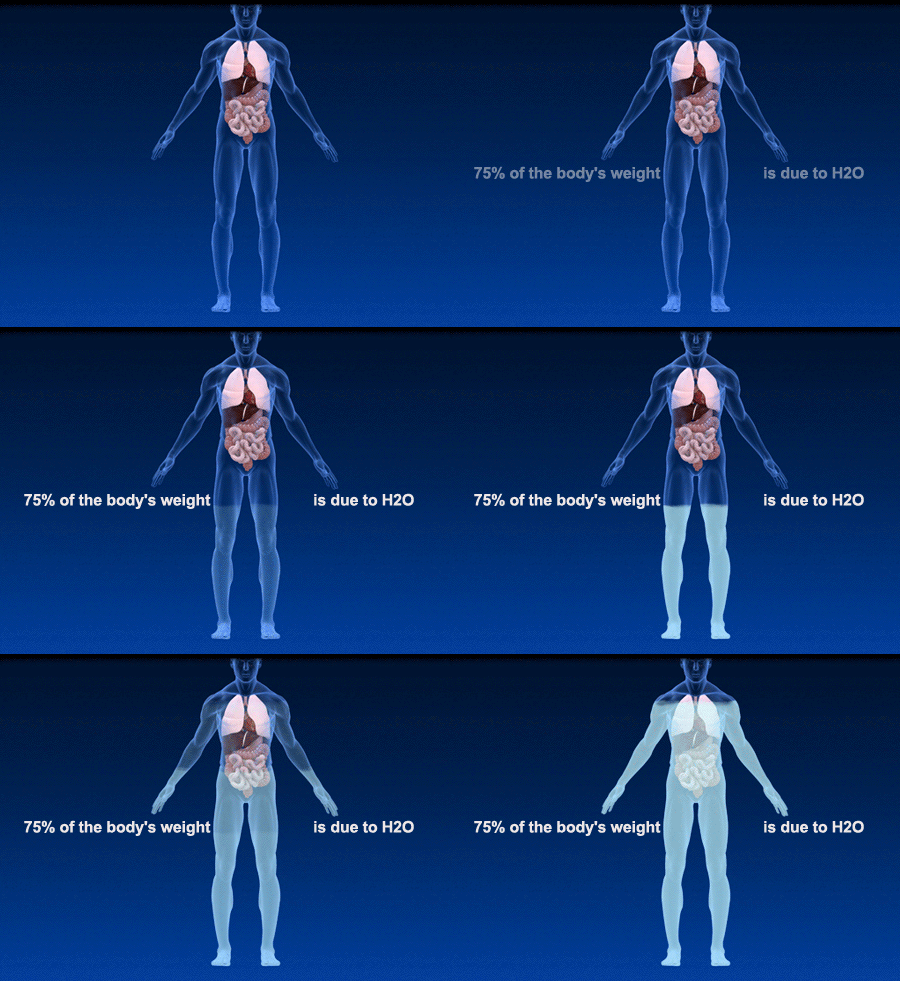
Water is a critical element of the body, and adequate hydration is a must to allow the body to function. Up to 75% of the body's weight is made up of water. Most of the water is found within the cells of the body (intracellular space). The rest is found in what is referred to as the extracellular space, which consists of the blood vessels (intravascular space) and the spaces between cells (interstitial space).
Total body water = intracellular space + intravascular space + interstitial space
Dehydration occurs when the amount of water leaving the body is greater than the amount being taken in. The body is very dynamic and always changing. This is especially true with water in the body. We lose water routinely when we:
- breathe and humidified air leaves the body;
- sweat to cool the body; and
- urinate or have a bowel movement to rid the body of waste products.
In a normal day, a person has to drink a significant amount of water to replace this routine loss.
If intravascular (within the blood vessels) water is lost, the body can compensate somewhat by shifting water from within the cells into the blood vessels, but this is a very short-term solution. The body lives within a very narrow range of normal parameters, and signs and symptoms of dehydration will occur quickly if the water is not replenished.
The body is able to monitor the amount of fluid it needs to function. The thirst mechanism signals the body to drink water when the body is dry. As well, hormones like anti-diuretic hormone (ADH) work with the kidney to limit the amount of water lost in the urine when the body needs to conserve water.

-
What Causes Dehydration?
Dehydration occurs because there is too much water lost, not enough water taken in, or most often a combination of the two.
- What are the signs and symptoms of dehydration?
The body's initial responses to dehydration are thirst to increase water intake along with decreased urine output to try to conserve water. The urine will become concentrated and more yellow in color.
As the level of water loss increases, more symptoms can become apparent. The following are further signs and symptoms of dehydration:
- dry mouth,
- the eyes stop making tears,
- sweating may stop,
- muscle cramps,
- nausea and vomiting,
- heart palpitations, and
- lightheadedness (especially when standing).
The body tries to maintain cardiac output (the amount of blood that is pumped by the heart to the body); and if the amount of fluid in the intravascular space is decreased, the body tries to compensate for this decrease by increasing the heart rate and making blood vessels constrict to try to maintain blood pressure and blood flow to the vital organs of the body. This coping mechanism begins to fail as the level of dehydration increases.
With severe dehydration, confusion and weakness will occur as the brain and other body organs receive less blood. Finally, coma and organ failure, and death eventually will occur if the dehydration remains untreated.
Cite Information:
